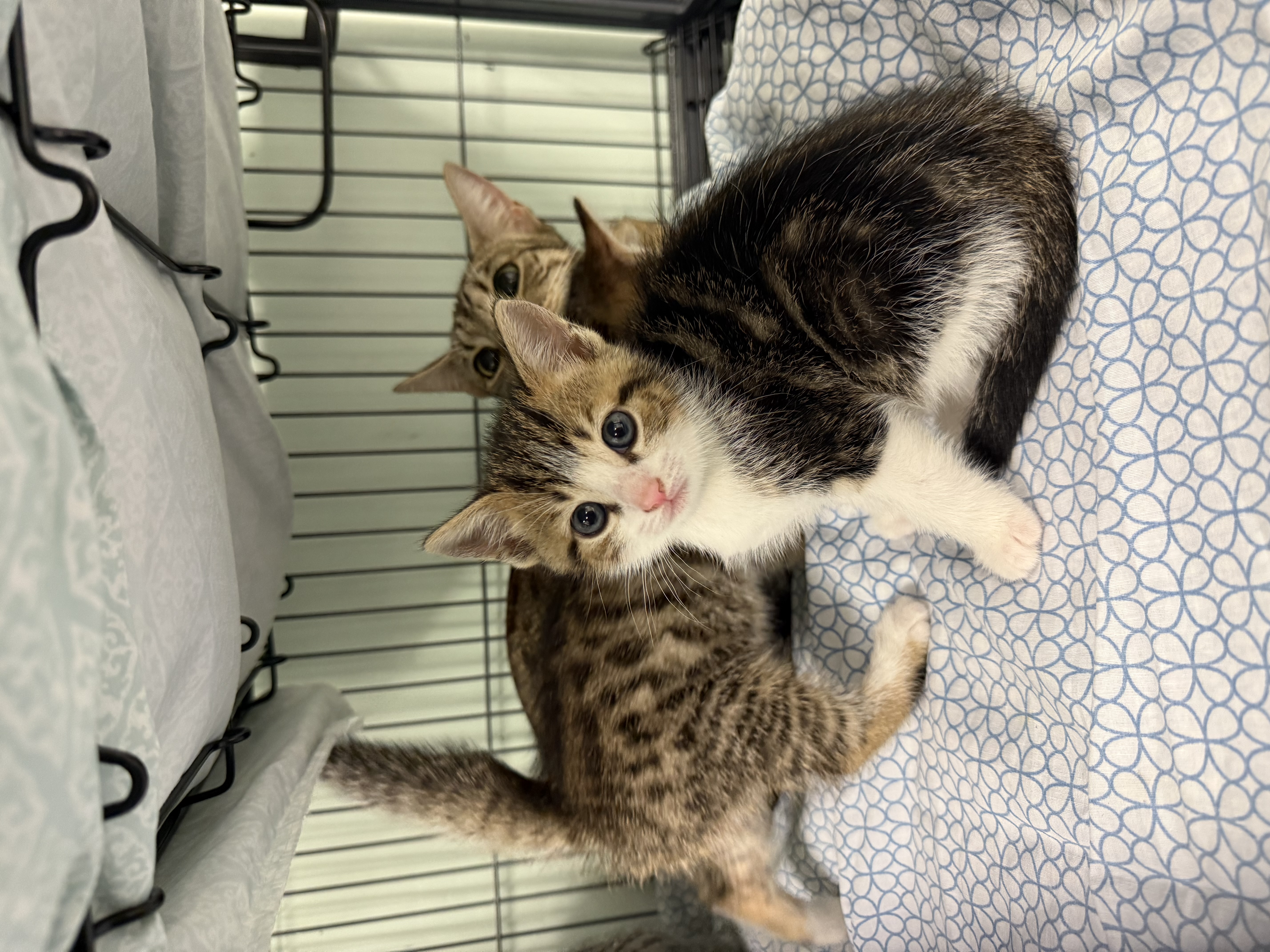
Adoption share
61%
Most animals leaving shelters do so through adoption rather than transfer or other outcomes.
Florida shelter outcomes
Public Florida shelter research
When welcoming a new pet into your home, having clear information such as breed, background, sex, fertility status, and health condition is essential. These factors shape a pet's energy level, training needs, and long-term care. Knowing this data ensures a seamless match between your lifestyle and your new companion's unique needs. Shelter data from Best Friends and the University of Florida suggests that adoption outcomes are influenced most strongly by health and fertility status, while breed and sex matter to a lesser degree depending on the shelter and animal type.
Interactive explorer
Shelter outcomes are strongest when animals can move quickly through adoption, with fewer medical and behavioral barriers.
Most animals leaving shelters do so through adoption rather than transfer or other outcomes.
Recovered pets often rejoin their guardians without prolonged shelter stays, reducing system strain.
Animals that move quickly through the system are more likely to reach adoption-ready status sooner.
Stray intake remains one of the largest drivers of shelter demand and resource planning.
Why
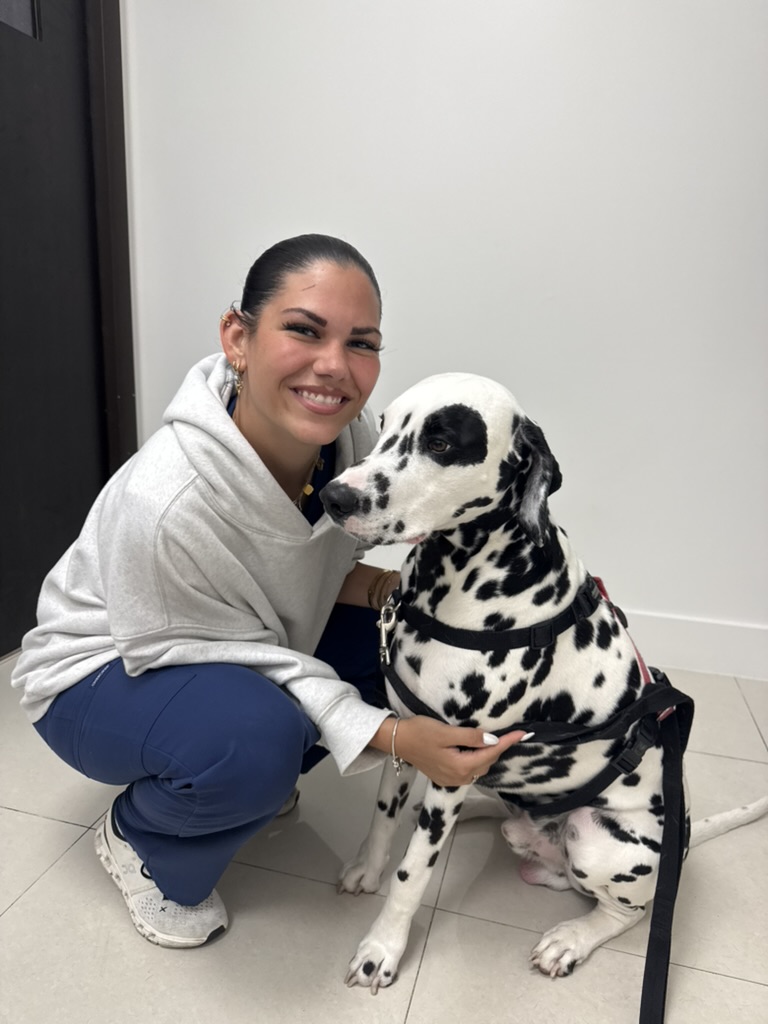
I am deeply invested in this project because animal welfare and adoption outcomes are not just data points to me—they are real lives, real recovery stories, and real opportunities to help pets find safe, loving homes.
I have 4 years of veterinary program experience, and I am a certified veterinary technician with more than 500 hours of community service. My work has been rooted in compassionate animal care, rescue support, and helping vulnerable pets heal and thrive.
Miami Welfare Animal Clinic
Animal Medical Center and Spa